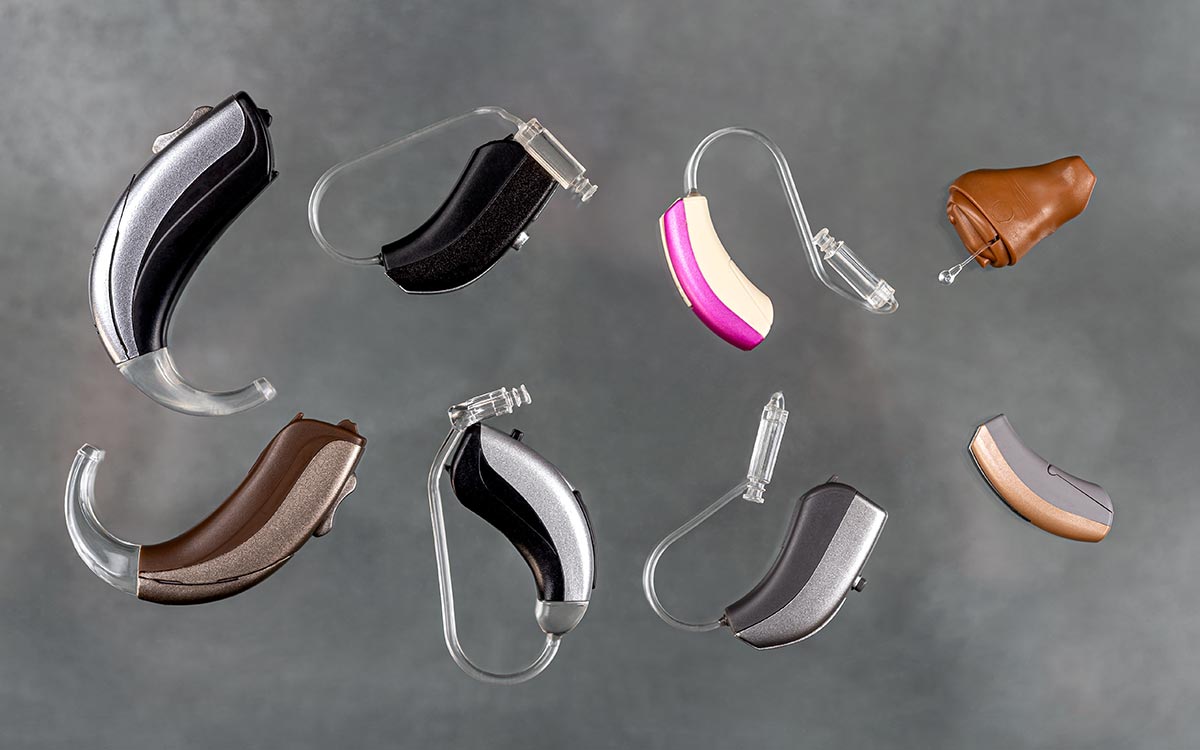
Choosing a hearing aid for hearing loss or tinnitus can feel daunting, especially when today’s devices come in so many styles, sizes, and technology levels. Rest assured that there is an assistive device customized to every lifestyle and degree of impairment. The key is simply choosing the one that fits you best.
By learning about the distinctions between various hearing aid models, you can move forward with greater confidence and knowledge. We are going to analyze the primary styles available today to help you understand what sets each option apart.
In-the-Canal (ITC) Hearing Aids
What they represent:
ITC hearing aids rest partly in the ear canal, with an inconspicuous portion visible at the outer ear.
Common Advantages:
- Provides a subtle look compared to traditional styles
- Custom-molded for comfort
- A useful option for those with moderate hearing needs
First-time wearers frequently lean toward ITC aids because they strike an ideal compromise between size and performance.
Invisible-in-Canal (IIC) Hearing Aids
How they function:
IIC hearing aids are the tiniest custom design available. This style rests deep in the ear for an entirely covert appearance.
Why they are popular:
- Offers the most subtle design of any hearing aid style
- Natural sound quality due to microphone placement
- Lightweight and comfortable
Because of their small stature, IIC devices typically work best for mild to moderate hearing loss and for those who prefer an almost invisible option.
Understanding In-the-Ear (ITE) Devices
Product Details:
These models occupy either the complete or bottom half of the outer ear bowl. The shell is specially formed to the specific contours of your individual ear.
The Benefits:
- An appreciably larger casing accommodates advanced tech and more powerful batteries
- Provides a more manageable process for those who struggle with tiny accessories
- Effective for mild to severe hearing loss
Many people prefer ITE devices because they provide an integrated, self-contained design that doesn’t hook over the ear.
Traditional Behind-the-Ear (BTE) Models
Summary:
Placed securely on the back of the ear, BTE models sit on the outer ridge. Audio moves into the ear canal through a small tube or custom earmold.
Key Strengths:
- Regarded as one of the most dependable and robust designs available
- Can be set to assist users with everything from mild to profound loss
- The size provides ample room for the latest connectivity features and rechargeable hardware
If you need a sturdy hearing aid that is easy to operate and offers high-power output, the BTE style is ideal.
Receiver-in-Canal (RIC) Hearing Aids
Mechanical Setup:
The RIC style keeps the main body behind the ear while moving the receiver into the ear canal itself.
Why people choose them:
- Minimizes the “plugged up” feeling for more pure hearing
- Offers a very low-profile appearance that is easy for almost everyone
- Excellent for many levels of hearing loss
The combination of design and high-end performance makes RIC models an ideal choice in the modern market.
Understanding Long-Term Systems
Overview:
These devices are placed far in the ear canal by a hearing professional and can stay in place for several weeks at a time.
Lifestyle Benefits:
- Perfect for users who want to bypass the routine of handling hearing aids daily
- Almost hidden
- You can move about your whole life—including sports and rest—while wearing them
If you prefer an auditory solution that requires zero daily thought, the extended-wear style is perfect.
Wireless Smart Syncing
What they represent:
These are modern devices fitted with radio technology to sync with your personal electronics and televisions.
Why go wireless:
- Turn your hearing aids into wireless earphones for all your favorite audio
- Gives you the power to adjust your volume and programs via a smartphone app
- Provides the ultimate in convenience for people who use smartphones regularly
You can locate Bluetooth capabilities integrated into a variety of form factors, from RIC and BTE to custom ITC designs.
Surgically Implanted Middle-Ear Systems
Design Overview:
Middle-ear implants are specialized instruments that use mechanical vibration to enhance hearing via the middle ear.
Medical Motivations:
- Option for those who cannot use traditional hearing aids
- Solves the problem of canal discomfort caused by regular hearing aids
An exhaustive consultation with a specialist professional is necessary before considering an auditory implant.
Finding the Hearing Aid That Suits Your Lifestyle
Since each hearing aid design has distinct assets, the best choice is based on your specific hearing needs, your daily activities, and your aesthetic goals. An expert care professional can lead you through your options, answer questions, and help you experience how different devices look and feel.
Begin your path to better sound by setting up an auditory test now. This simple step is the basis for improved hearing and better connections with those around you.
Sources:
https://www.mayoclinic.org/diseases-conditions/hearing-loss/in-depth/hearing-aids/art-
20044116
https://www.hearinglife.com/hearing-aids/types
https://www.nidcd.nih.gov/health/hearing-aids