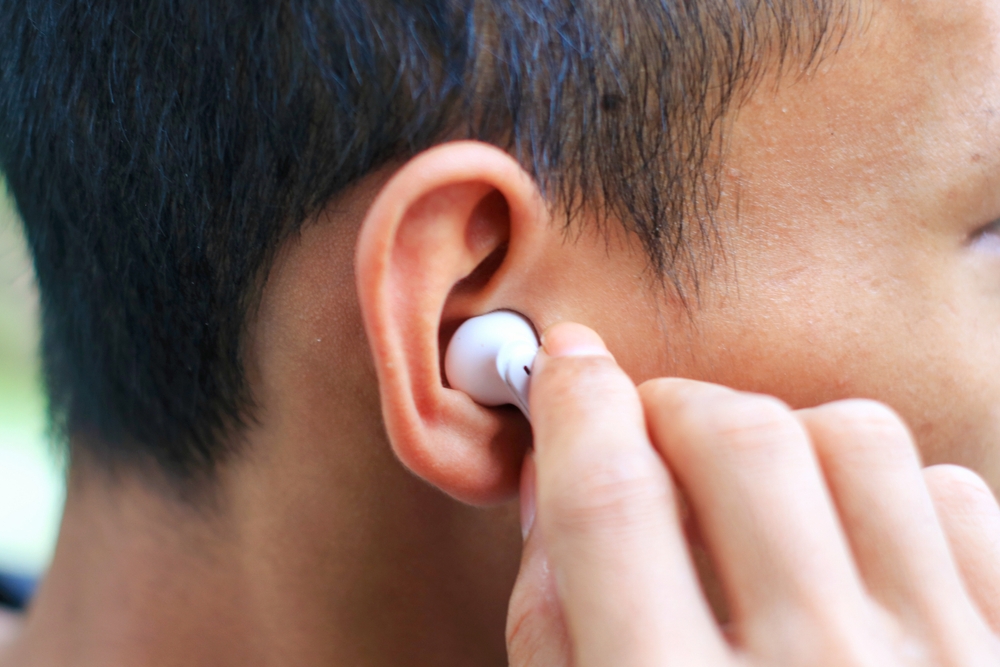
Rarely do we see a young adult in public without an earbud in their ears. Headphones are a bit more cumbersome, but teens still find them a way to escape from their surroundings. We all enjoy listening to music, no matter our age, but younger people rely on music to pass the time. Given their intimate position near the eardrum, are these devices a legitimate threat to our hearing? Clinically speaking, the hardware is not the culprit; rather, the risk lies in human behavior and exposure levels.
Too Much of a Good Thing
Acoustic stimuli can act as a sedative, an emotional balm, or a powerful stimulant depending on the tempo. The outcome is entirely dependent on the genre and frequency of the audio. Personal audio tech provides a convenient way to consume media without infringing on the silence of those nearby. That’s a positive thing, and most people will tell you that they are grateful and prefer that on a train or bus.
The essential inquiry remains: at what decibel level and timeframe does listening become dangerous? The biological fact is that high-intensity sound waves are inherently damaging to the auditory system. When you listen for too long a time and at a very loud volume, you can irreparably damage your hearing. Since hearing shifts occur incrementally, the window for prevention has often closed by the time a patient seeks help.
Why Earbuds Pose a Unique Threat to Hearing Health
Sound pressure level is the primary variable in the development of **NIHL**. However, the duration of the exposure matters as much as the volume.
- The National Institutes of Health advises that sounds under 70 decibels are generally safe for the human ear.
- The rate of auditory trauma increases exponentially as the decibel level rises.
- Implement the 60/60 safety protocol by capping volume at 60% and taking a break every 60 minutes.
- You can safeguard your auditory health by reducing device intensity and monitoring your cumulative daily usage.
Indicators That You May Need a Hearing Evaluation
Common indicators such as “ringing” in the ears and a recurring inability to understand speech in loud rooms warrant an immediate specialist consultation.
If you suspect a decline in your hearing, contact our office to begin a professional diagnostic process.