Because hearing loss typically advances slowly, early signs frequently go unnoticed by the individual. Numerous individuals compensate subconsciously by raising the decibels on the television, requesting frequent repetitions, or withdrawing from high-noise settings.
Nevertheless, acknowledging the preliminary signs of hearing decline is fundamental for long-term health.
Frequent Indicators of Initial Auditory Decline
Should you encounter any of these indicators, we suggest arranging a professional hearing assessment to determine your status.
- Reduced clarity during dialogue in loud or crowded environments.
- A regular need of asking for verbal repetitions during conversation.
- Hearing indistinct vocal communication where words appear to merge.
- Turning up the volume on the TV, phone, or radio higher than others prefer.
- Decreased perception of high-frequency acoustic signals like children’s speech or household alerts.
- Auditory sensations such as ringing, buzzing, or humming, known as tinnitus.
- Mental drain after social events resulting from straining to follow speech.
- Withdrawing from social situations as conversations feel overwhelming.
Preliminary indicators of auditory decline may appear in either one or both ears and vary in frequency initially. Due to the brain’s ability to adjust, many patients remain unaware of their subconscious adaptations until the deficit is significant.
Understanding Hearing Impairment Through Data
According to official WHO data, more than 700 million people will necessitate hearing rehabilitation by 2050. Other noteworthy statistics consist of:
- By 2050, nearly 2.5 billion people are expected to have various levels of hearing loss.
- More than five percent of the global community (roughly 430 million people) requires rehabilitation to manage disabling hearing loss.
- More than 1 billion younger individuals are at risk of permanent hearing loss due to hazardous acoustic habits.
- Among those aged 60 and older, over 25% have disabling hearing loss.
The Value of Early Hearing Loss Detection
Failure to address auditory decline can affect systemic well-being and daily wellness.
Clinical evidence shows a documented link between untreated hearing loss and mental health risks, including isolation and depression.
Addressing symptoms at the onset facilitates a broader range of interventions and better long-term outcomes.
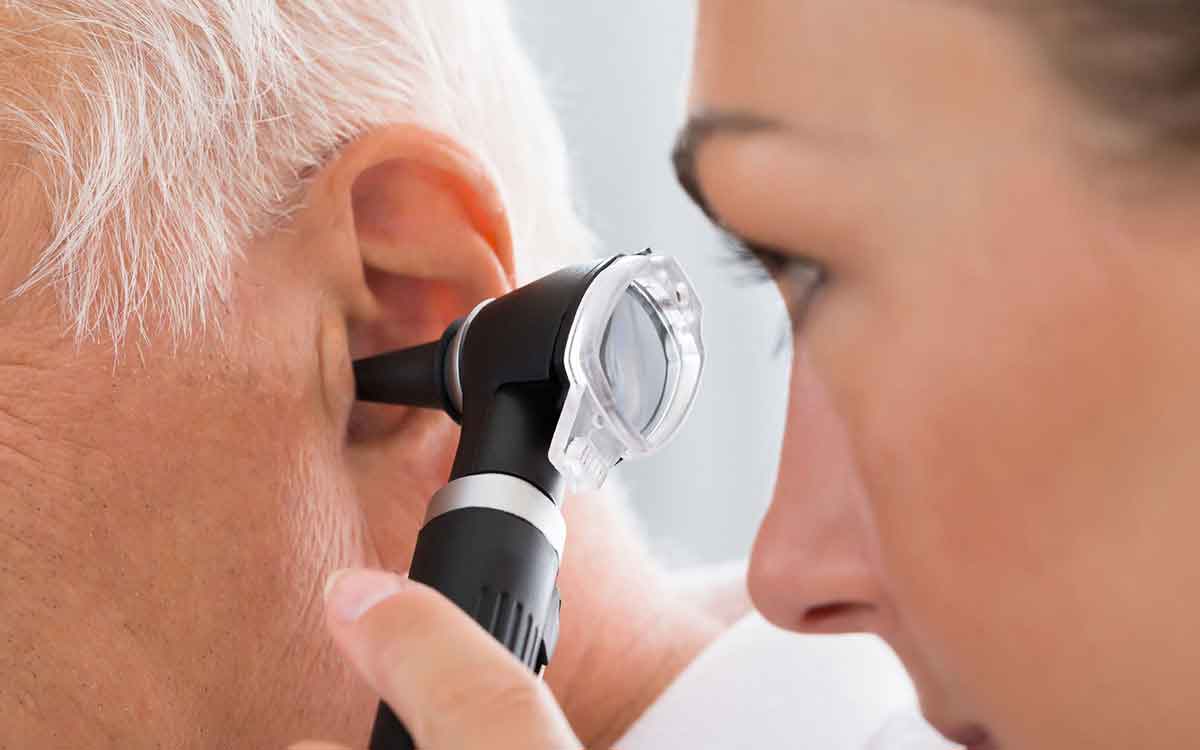
A clinical screening identifies if hearing shifts are caused by aging, earwax impaction, or other systemic issues.
Certain hearing variations remain temporary and can be addressed via clinical treatment.
Conversely, early use of hearing devices or preventative measures can slow progression.
Guidelines for Consulting an Audiologist
An audiological visit is recommended if you observe:
- Auditory indicators last longer than a few weeks.
- Difficulty hearing starts to influence work or daily activities.
- You experience acute auditory decline, vertigo, or persistent tinnitus (which requires immediate attention).
Tests for hearing are painless and supply essential data about your ear health.
Reach out to our audiology team if you are interested in arranging a formal hearing test.
Auditory Health FAQ: Initial Symptoms
Question: Is aging the sole cause of hearing impairment?
Answer: Not necessarily. Although presbycusis is prevalent, auditory shifts can stem from noise trauma, ototoxic drugs, or genetic factors.
Q: Can auditory impairment be clinically reversed?
Answer: Certain etiologies, such as earwax impaction or localized infection, are treatable. While other forms are irreversible, they can usually be managed with professional treatment or hearing technology.
Q: At what intervals should I have my hearing evaluated?
Answer: Clinical guidelines suggest a baseline evaluation by the age of 50, or earlier if symptoms of hearing loss are noticed.