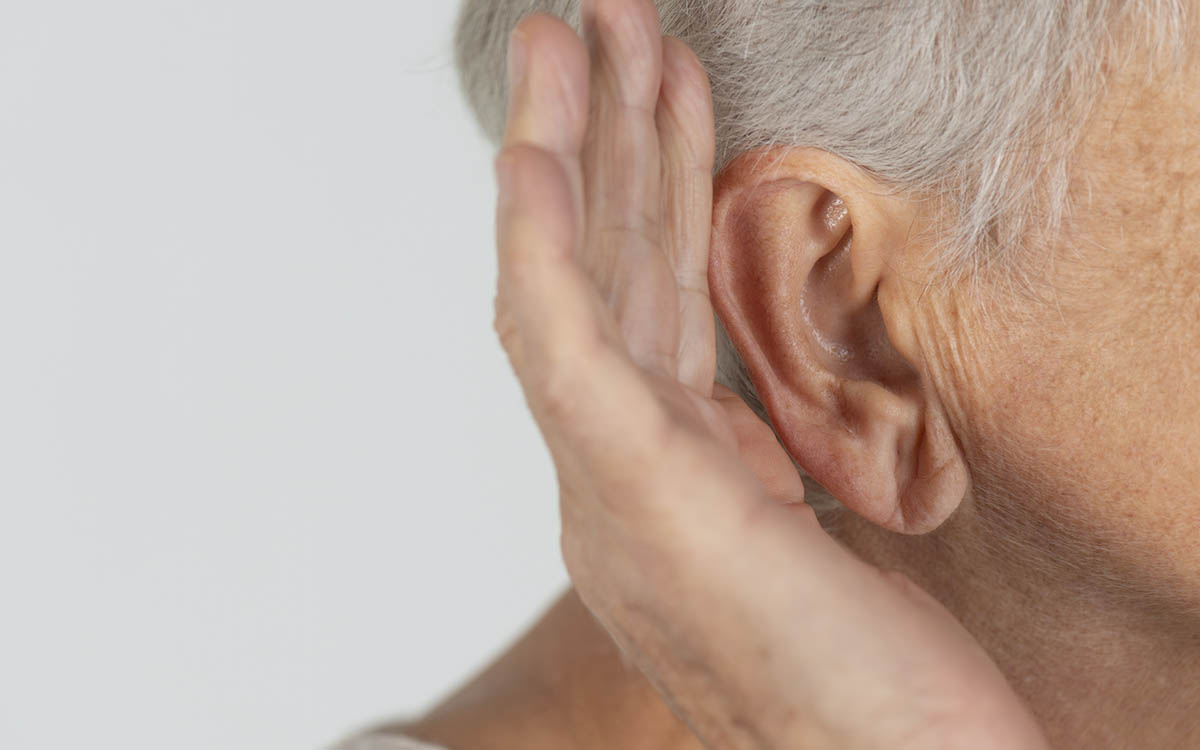
Commonly, clinicians link hearing loss to senescence, but for millions of Americans, ear injury manifests significantly sooner. As one of the most prevalent and avoidable types of auditory impairment, noise-induced hearing loss typically progresses slowly, advancing subtly and remaining undiagnosed until the clinical effects are permanent.
Understanding how noise exposure impacts your ears over time allows for preventative measures before significant hearing loss occurs.
Defining Sound-Triggered Hearing Loss?
Noise-induced hearing loss occurs when loud sounds damage the delicate structures inside the inner ear. Data from the CDC indicate that, auditory impairment may begin with chronic exposure to noise levels over 85 decibels. Intense noise sources, specifically firearms or industrial tools, can compromise hearing integrity within a very brief timeframe.
The inner ear contains microscopic sensory receptors known as hair cells. These units are responsible for translating sound waves into the electrical signals required for auditory perception. Following injury, these hair cells lack the biological capacity to regenerate, which renders noise-related hearing loss an irreversible condition.
Tracking the Advancement of Auditory Impairment
The insidious nature of noise-induced hearing loss is highlighted by its gradual developmental timeline. Initial clinical indicators of sound-induced trauma may involve:
- Transient auditory sensations such as ringing or buzzing (Tinnitus)
- Post-exposure auditory dullness or perceived muffling of sound
- Challenges involving speech comprehension within high-noise settings
The cessation of these early symptoms often leads to the false perception that the auditory system has fully healed. Actually, subsequent noise events continue to degrade internal ear structures, leading to a progressive decline in hearing resolution.
The Hearing Loss Association of America reports that approximately 48 million Americans experience some degree of hearing loss, frequently with unidentified etiology.
Identifying Daily Sound Hazards to Ear Health
In our modern environment, individuals often develop a tolerance or desensitization to high-volume sounds. As a result, many individuals remain unaware of the clinical prevalence of damaging noise exposure.
Identified hazardous sources may include:
- Professional music performances and concert environments
- High-volume output from personal listening equipment
- Lawn equipment, power tools, and motorcycles
- Workplace noise in construction, manufacturing, or warehouses
Because these sounds are often part of daily life, damage can accumulate without clear warning signs.
Implementing Prophylactic Measures in Clinical Hearing Management
A distinguishing factor of noise-induced hearing loss is the lack of clinical reversal options. Despite its permanence, the condition is significantly preventable. Simple protective habits can significantly reduce risk, including:
- Utilizing hearing protection devices like earplugs in noisy settings
- Modulating audio output levels and observing 60/60 rule constraints
- Implementing quiet intervals to permit the auditory system to rest
- Arranging for routine Audiology assessments if noise exposure is frequent
Criteria for Professional Audiology Consultation
If you notice persistent ear ringing, difficulty following conversations, or changes in hearing clarity, you should seek evaluation from a hearing professional. Early intervention through an Audiologist allows for the monitoring and implementation of essential protective measures.
Prioritizing auditory health now ensures the preservation of hearing clarity for the future. Exposure to noise is frequent, yet hearing loss can be successfully avoided through proper care. Please contact our clinic to arrange a professional consultation regarding your auditory health.