Muffled hearing can impact every facet of your life, leaving you feeling disoriented and isolated from the world around you. While the anxiety of permanent hearing damage is a common first reaction, the true source is frequently a simple accumulation of canal debris.
Knowing how to tell these two conditions apart ensures you seek the appropriate treatment, whether that is professional wax removal or a clinical hearing test. There is no reason to feel overwhelmed if sounds seem dampened. A clinical assessment will deliver the definitive answer, but the following resource details the primary variations between blockage-based issues and lasting loss.
How to Identify a Cerumen Impaction
Earwax is actually a healthy, natural secretion intended to shield the ear canal from dust and external debris. Medical issues only manifest when the wax neglects to move out of the ear, leading to a significant buildup or impaction.
Standard indicators of an obstruction involve:
- Muted sound quality that occurs over time or overnight
- The perception that there is a physical plug in the ear
- Localized tenderness or focused pain in the ear
- Ringing in the ear (ringing)
- Sound sharpness that shifts or improves momentarily with chewing
Because obstructions are tangible, they frequently impact just a single ear at a time rather than each equally. The positive aspect is that clinical clearance typically ends in an instant restoration of your natural hearing levels.
Identifying the Markers of Permanent Hearing Loss
Permanent hearing shifts, often triggered by age or noise exposure, are progressive and remain even if the ear is completely clear.
Common indicators of clinical hearing impairment consist of:
- Battling to follow discourse when background noise is audible
- Often requiring repetition during everyday dialogue
- Adjusting media levels to a point that people find uncomfortable
- Trouble catching high-frequency tones like birds or children’s voices
- Bilateral hearing changes that impact both ears simultaneously
A vital distinction is that actual loss misses the tangible “clogged” sensation that follows an earwax impaction.
Key Differences Summarized
By looking at the onset and particular symptoms, you can often determine which issue is impacting you:
- Timeline: Wax-related muffling can be rapid, but permanent loss takes years
- Permanence: Obstructions are a fast fix, while sensorineural loss needs long-term care
- Sensations: Pressure and discomfort indicate wax; word intelligibility issues indicate loss
- Laterality: Cerumen often impacts one ear; hearing loss frequently impacts each
The Dangers of At-Home Cerumen Removal
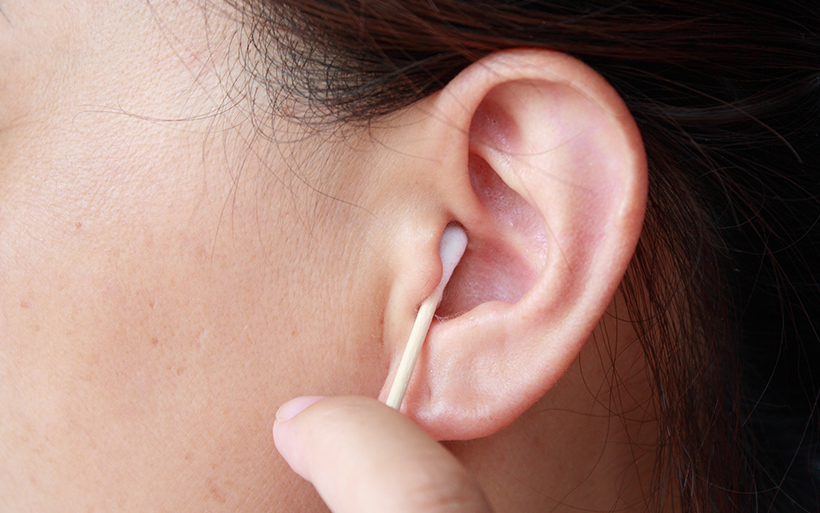
When auditory input feels dampened, the instinctive urge is to use a cotton bud, but this is frequently a hazardous move. Regrettably, these can push wax further in and exacerbate the situation.
Based on data from the National Library of Medicine, placing items into the ear canal raises the risk of impaction and trauma.
Delaying a professional check-up for real hearing loss can result in missing out on treatments that shield your future cognitive and social health.
What to Expect During a Formal Appointment
A specialist can employ an otoscope to immediately visualize if a mechanical obstruction is present.
If an obstruction is identified, a professional can remove it safely, often returning your auditory function immediately.
When the ear is clear but auditory input is still muted, a clinical assessment is required to audit your hearing health.
Experts urge an immediate hearing check if you begin failing to communicate or manage your surroundings.
Is It Cerumen Impaction or Auditory Decline?
Feeling like sounds are muted may not necessarily indicate a lasting change.
In numerous cases, cerumen accumulation is the source, and it’s highly treatable.
Obtaining professional attention guarantees you locate the exact cause and the proper remedy for your hearing requirements.
Remember: The sole accurate way to tell the distinction between earwax buildup and hearing loss is with a professional exam.
Getting clarity promptly can avert unnecessary stress and ensure you receive the appropriate care at the right moment.
Instead of guessing what is amiss, book a quick check-up with our audiologists to uncover the reality.